 Save
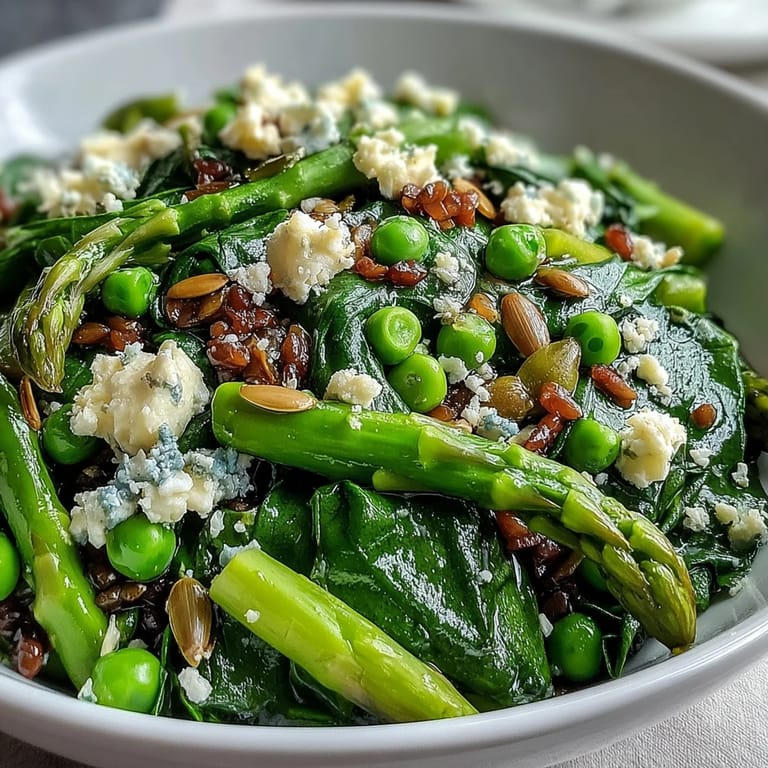
Save Last spring, I was stuck in a cooking rut, rotating the same tired weeknight dinners until my neighbor mentioned she'd been building bowls around whatever vegetables looked best at the farmers market. That single conversation changed everything—suddenly I wasn't following recipes so much as playing with what the season offered. This green bowl became my go-to blueprint, a way to celebrate those first bright vegetables without overthinking it.
I made this for my sister when she was going through a health-conscious phase, and I remember her taking one bite and immediately asking for the dressing recipe. She'd been expecting something virtuous and sad, but instead found herself genuinely excited about eating vegetables. That moment taught me that wholesome food doesn't have to taste like punishment.
Ingredients
- Quinoa, brown rice, or farro (1 cup, 180 g): Quinoa cooks fastest and has a light, fluffy texture, but brown rice brings earthiness and farro adds a pleasant chew—pick based on your mood and how much time you have.
- Water (2 cups, 480 ml): The ratio matters here, so measure carefully and resist the urge to peek too much while it simmers.
- Salt (½ tsp): Season the cooking water generously so your grains taste good on their own.
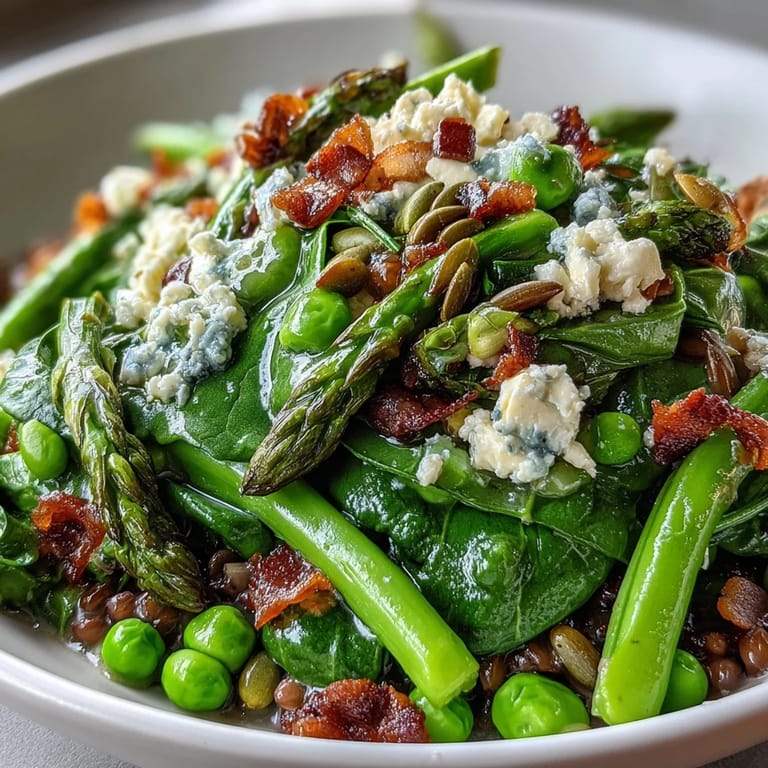
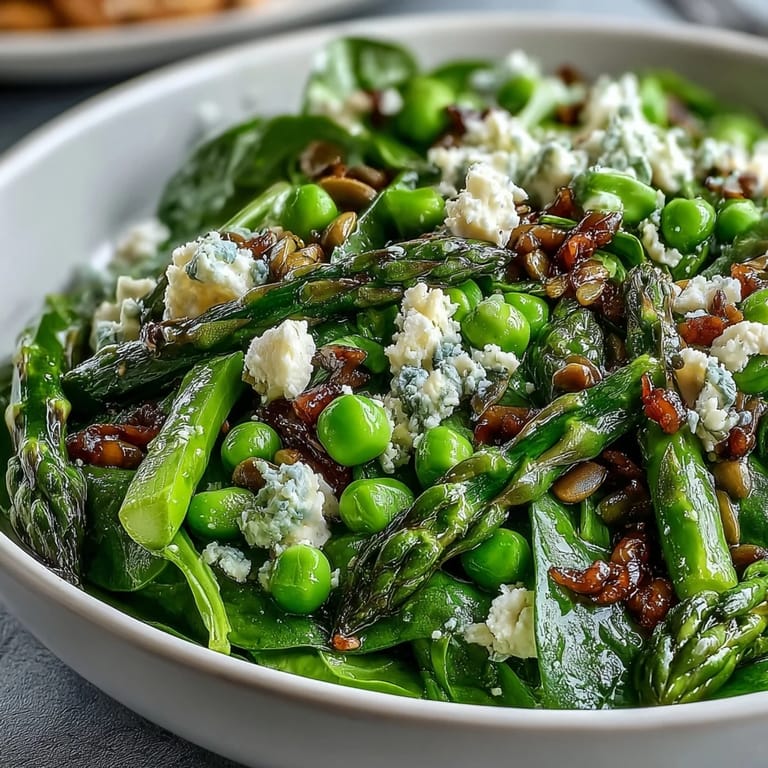
- Fresh or frozen green peas (1 cup, 150 g): Frozen peas are honestly just as good as fresh and sometimes sweeter—no shame in using them.
- Asparagus (1 cup, 120 g), trimmed and cut into 2-inch pieces: The woody ends snap off naturally if you bend them, which is faster than fussing with a knife.
- Green beans (1 cup, 120 g), trimmed and cut into 2-inch pieces: Keep them roughly the same size as the asparagus so everything cooks at the same pace.
- Baby spinach leaves (2 cups, 60 g): It wilts down dramatically, so those 2 cups become a gentle handful on each bowl.
- Extra-virgin olive oil (3 tbsp): This is where quality matters—a good oil makes the dressing sing.
- Freshly squeezed lemon juice (2 tbsp): Bottled juice gets the job done, but fresh juice tastes noticeably brighter and more alive.
- Lemon zest (1 tsp): A microplane makes this quick, and those tiny pieces of bright yellow add visual pops throughout the bowl.
- Dijon mustard (1 tsp): It emulsifies the dressing and adds a subtle, sophisticated tang that rounds out the lemon.
- Maple syrup or honey (1 tsp): Just enough sweetness to balance the acid, nothing more.
- Garlic clove (1 small, minced): Don't skip this—it grounds all the fresh, bright flavors with something savory and real.
- Salt and black pepper, to taste: Season generously at the end after tasting, because every palate is different.
- Toasted pumpkin or sunflower seeds (2 tbsp, optional): They add crunch and a nutty richness that makes the bowl feel complete.
- Crumbled feta cheese (¼ cup, optional): Creamy and salty, it plays beautifully against the brightness of lemon, but omit it for vegan.
- Fresh herbs like mint, parsley, or dill (chopped, optional): Mint feels most spring-like, but any fresh herb you love will work.
Tired of Takeout? 🥡
Get 10 meals you can make faster than delivery arrives. Seriously.
One email. No spam. Unsubscribe anytime.
Instructions
- Rinse and set up your grains:
- Run your grains under cold water in a fine-mesh strainer until the water runs clear—this removes excess starch and prevents clumping. While they drain, fill your saucepan and bring the water and salt to a rolling boil.
- Simmer low and cover:
- Add grains to the boiling water, stir once, then immediately reduce heat to the lowest setting and cover tightly. Set a timer based on what you're cooking (15 minutes for quinoa is usually perfect), and resist the urge to lift the lid—steam does the real work here.
- Blanch your vegetables separately:
- Bring a large pot of salted water to a boil while your grains cook. Starting with peas, drop them in and set a timer for 2 to 3 minutes—you want them bright green and tender but not mushy. Scoop them out with a slotted spoon into a waiting bowl of ice water, which stops them from overcooking.
- Repeat with asparagus and green beans:
- Use the same boiling water for each vegetable, blanching them in the same order. This saves cleanup and the vegetables exchange flavors slightly, which is actually nice.
- Wilt the spinach gently:
- Heat a large skillet over medium heat with no oil. Add spinach and stir constantly for just 1 to 2 minutes until it softens and releases its water—overcooked spinach turns dark and bitter, so speed matters here.
- Whisk your dressing to emulsion:
- In a small bowl, combine oil, lemon juice, zest, mustard, maple syrup, and minced garlic. Whisk steadily for about a minute until it thickens slightly and the oil no longer separates—the mustard acts as an emulsifier and creates something creamy without any cream.
- Layer and dress your bowls:
- Divide grains among four bowls, then top each with blanched peas, asparagus, green beans, and that wilted spinach. The order looks beautiful and makes serving easier.
- Finish with flourish:
- Drizzle generously with lemon dressing, then scatter seeds, feta if using, and fresh herbs over top. Serve immediately while grains are still warm and vegetables haven't started to wilt.
 Save
Save My favorite moment with this bowl happened on a random Tuesday evening when I realized I was actually looking forward to lunch the next day instead of just packing something out of obligation. That shift—from obligation to genuine anticipation—is when you know a recipe has earned its place in your rotation.
Making It Ahead
This bowl is one of those rare recipes that actually improves when prepped in advance, as long as you're strategic about it. Cook your grains the night before and store them in an airtight container—they firm up slightly, which means they won't get mushy when the dressing hits them. Blanch and chill your vegetables a few hours early, and they'll stay crisp and bright.
Swaps and Additions That Work
The beauty of this bowl is how much it bends without breaking. Swap grains for bulgur or couscous if you want something lighter, or use farro if you're craving more texture and earthiness. Toss in chickpeas or white beans for plant-based protein, or top with grilled chicken if you eat meat—the lemon dressing works with all of it.
Seasonal Thinking and Storage
Spring vegetables are the dream here, but this bowl translates beautifully across seasons if you follow what looks alive at the market. Summer brings zucchini and fresh corn, autumn gets root vegetables, and winter still has kale and Brussels sprouts. Store leftovers in an airtight container without the dressing for up to three days, then dress right before eating so everything stays fresh and nothing gets soggy.
- Make your dressing in a mason jar so you can shake it up again the next day if it separates.
- Toast your seeds right before serving so they stay crunchy instead of going soft from steam.
- Don't dress the whole batch at once—bring extra dressing on the side so everyone can adjust to their own taste.
 Save
Save This bowl has become my answer to the question, How do I eat better without eating worse? It's delicious, straightforward, and never boring. Come spring, it's the first thing I make.
Recipe FAQs
- → Can I use different grains?
Absolutely. Quinoa, brown rice, farro, bulgur, or couscous all work beautifully. Adjust cooking times according to package directions and keep in mind that some grains may require more or less water.
- → How do I store leftovers?
Store grains and vegetables separately in airtight containers in the refrigerator for up to 4 days. Keep the dressing in a small jar. Assemble bowls fresh when ready to eat, adding dressing just before serving.
- → Can I make this vegan?
Yes. Simply use maple syrup instead of honey in the dressing and omit the feta cheese. The bowl remains satisfying and protein-rich from the grains and vegetables alone.
- → What other vegetables work well?
Sugar snap peas, snow peas, broccoli florets, or zucchini would be excellent additions or substitutions. The key is using vegetables that maintain their texture when briefly blanched.
- → Can I add more protein?
Grilled chicken, baked tofu, roasted chickpeas, or a soft-boiled egg would all complement the fresh flavors. Add your protein of choice when assembling the bowls.