 Save
Save My neighbor Maria handed me a bottle of Limoncello last summer, insisting I had to do something special with it. I stood in my kitchen that evening, the bottle catching the golden light, and suddenly remembered my grandmother's stories about Italian bakeries in Boston. By the next morning, I'd created this pound cake—moist, fragrant, and absolutely addictive. It's become the cake I make when I want to feel like I'm sitting at a café overlooking the Amalfi Coast, even if I'm just in my own kitchen.
I made this for a book club gathering on a rainy April afternoon, and my friend Sarah took one bite, closed her eyes, and literally said nothing for a full minute. When she finally spoke, she just asked for the recipe and another slice. That's when I knew this cake had something special—it didn't need fanfare or explanation, just a fork and a moment of quiet appreciation.
Ingredients
- Unsalted butter, softened (1 cup): This is your foundation for a tender crumb, so let it come to room temperature—it creams better and traps more air.
- Granulated sugar (2 cups): The sugar creams with butter to create that signature light texture, so don't skip the creaming step.
- Eggs, room temperature (4 large): Cold eggs won't incorporate smoothly, and you'll end up with a denser cake, so pull them out 20 minutes before baking.
- Limoncello liqueur (1/4 cup): This Italian digestif is what makes the magic happen—the alcohol bakes off, leaving behind pure citrus complexity.
- Whole milk, room temperature (1/4 cup): It keeps the cake moist without making it heavy, and room temperature milk blends seamlessly with the wet ingredients.
- Freshly grated lemon zest (2 tbsp): Zest just before mixing so you capture all those fragrant oils—use a microplane for the finest texture.
- Fresh lemon juice (1/4 cup): Squeeze it yourself; bottled juice tastes flat by comparison and you'll taste the difference immediately.
- All-purpose flour (2 1/2 cups): Spoon it into your measuring cup and level it off rather than scooping straight from the bag, which compacts the flour.
- Baking powder (1 1/2 tsp): This gives the cake its gentle rise and tender crumb structure.
- Salt (1/2 tsp): A small amount brings out the lemon flavor and balances the sweetness beautifully.
- Powdered sugar, sifted (1 cup): Sift it before measuring so the glaze is smooth and lump-free, no gritty texture.
- Fresh lemon juice for glaze (2–3 tbsp): Start with 2 and add more if you want a thinner, more pourable glaze.
- Limoncello liqueur for glaze (1 tbsp): This extra splash adds sophistication to the finish.
Tired of Takeout? 🥡
Get 10 meals you can make faster than delivery arrives. Seriously.
One email. No spam. Unsubscribe anytime.
Instructions
- Prepare your stage:
- Preheat the oven to 350°F and get your loaf or bundt pan greased and floured—this takes just a minute but saves heartbreak later. If you're using a loaf pan, line the bottom with parchment paper for guaranteed release.
- Cream the butter and sugar:
- In a large bowl, beat the softened butter and granulated sugar together for 3 to 4 minutes until it's pale, fluffy, and looks almost like frosting. This step is everything; it's where the cake gets its tender texture, so don't rush it or you'll have a dense result.
- Add eggs one at a time:
- Drop in each egg individually, beating well after each addition so the emulsion stays smooth and the cake rises evenly. If the mixture looks slightly curdled, it's normal—keep going.
- Blend in the citrus and liqueur:
- Stir in the lemon zest, Limoncello, lemon juice, and milk until everything is combined and the batter smells like sunshine. This should take about 30 seconds of mixing.
- Combine the dry ingredients:
- In a separate bowl, whisk together the flour, baking powder, and salt, breaking up any lumps. This mixture is your insurance against overmixing, which would make the cake tough.
- Fold everything together:
- Add the dry mixture to the wet ingredients and mix just until you don't see any flour streaks—overworking the batter now will develop gluten and toughen the cake. Stop mixing when it looks almost blended but still slightly rough.
- Pour and smooth:
- Transfer the batter to your prepared pan and use a spatula to even out the top so it bakes consistently. A level top also makes the finished cake look more professional.
- Bake with patience:
- Slide it into the oven for 50 to 55 minutes until a toothpick inserted into the center comes out clean or with just a few moist crumbs. The kitchen will smell incredible, but resist opening the oven door too many times.
- Cool with care:
- Let the cake rest in the pan for exactly 15 minutes—this prevents it from being too fragile to handle—then turn it out onto a wire rack to cool completely. Rushing this step can cause the cake to stick or fall apart.
- Make the glaze:
- Once the cake is completely cool, whisk together the sifted powdered sugar, lemon juice, and Limoncello until it's smooth, glossy, and pourable. If it's too thick, add another teaspoon of lemon juice at a time.
- Finish with flair:
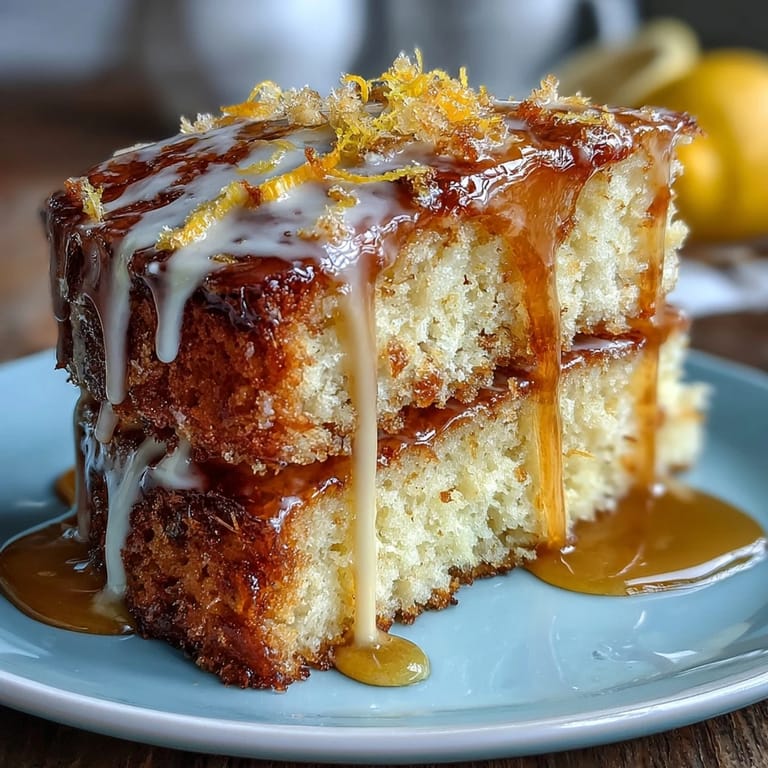
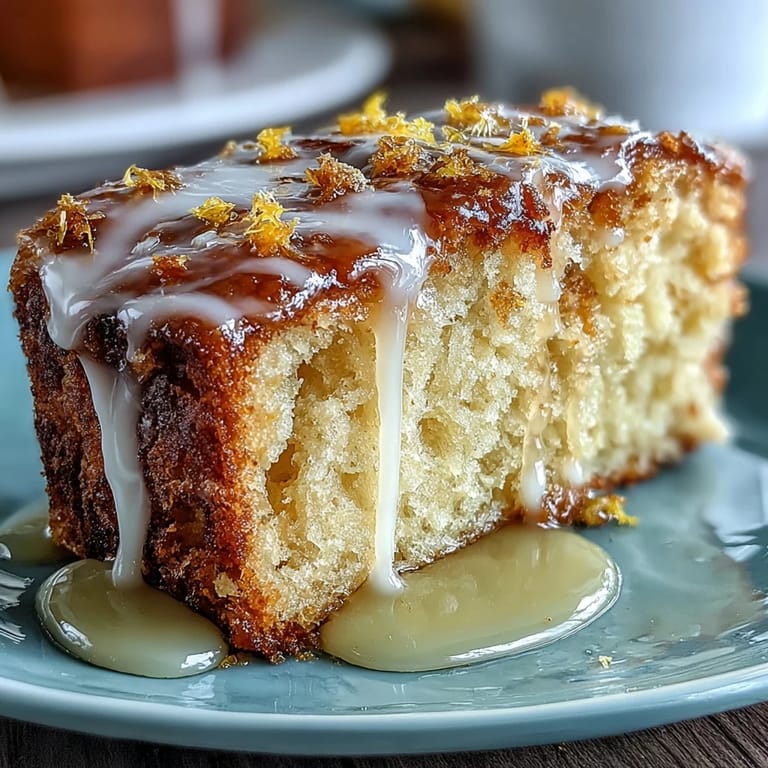
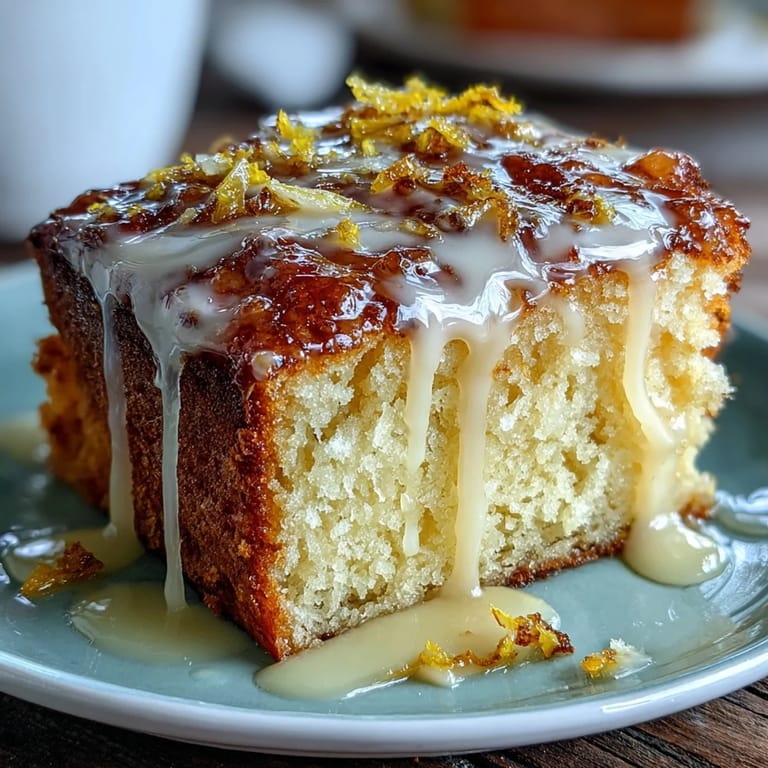
- Drizzle the glaze over the cooled cake in a lazy pattern, letting it run down the sides, then shower it with extra lemon zest if you're feeling fancy. Let the glaze set for at least 30 minutes before slicing so it stays on the cake instead of on your plate.
 Save
Save I once made this cake for my daughter's piano recital, and another parent told me it was the first dessert she'd enjoyed in months because it actually tasted like something real instead of sugar and air. That conversation stuck with me—there's something honest about a cake that doesn't apologize for being indulgent.
The Secret to Limoncello Magic
Limoncello isn't just an ingredient here; it's a flavor bridge that connects you to Italian tradition while keeping the cake distinctly modern. The alcohol bakes off completely, so you're left with all the bright, complex citrus notes without any harsh edge or boozy taste. This is what transforms a good pound cake into one people actually crave.
Making It Your Own
Once you master the basic recipe, you can start playing with it. Swap half the all-purpose flour for cake flour if you want an even lighter texture, or add a touch of vanilla extract for subtlety. The beauty of pound cake is that it's forgiving enough for experimentation but structured enough to stay reliable.
Serving Suggestions and Storage
Serve this cake at room temperature with fresh berries, a dollop of whipped cream, or just by itself with an espresso. It keeps beautifully wrapped in plastic wrap for up to four days, and honestly gets better as it sits because the flavors deepen and the moisture redistributes evenly.
- A slice with afternoon tea or coffee is the ideal pairing—the citrus wakes up both taste buds and mood.
- You can make this cake a day ahead, skip the glaze, and apply it fresh the morning of serving for maximum shine.
- If you need to skip the Limoncello for any reason, use an extra 2 tablespoons of lemon juice, though you'll miss some of that sophisticated depth.
 Save
Save This cake has become the one I reach for when I want to give someone something that feels like both a treat and a small gesture of care. It's unpretentious enough for a weeknight craving but special enough to make any moment feel a bit more golden.
Recipe FAQs
- → Can I substitute the Limoncello in the cake?
Yes, you can replace Limoncello with additional fresh lemon juice for a non-alcoholic version, though the flavor will be less complex.
- → What pan size works best for baking this cake?
A 9x5-inch loaf pan or bundt pan works perfectly to achieve the ideal texture and cooking time.
- → How do I know when the cake is fully baked?
Insert a toothpick into the center; if it comes out clean, the cake is done baking.
- → Can I use cake flour instead of all-purpose flour?
You may substitute half of the all-purpose flour with cake flour to achieve a lighter, softer texture.
- → What is the best way to store the cake?
Store the cake in an airtight container at room temperature for up to three days, or refrigerate to extend freshness.
- → Should I add extra lemon zest to the glaze?
Adding extra lemon zest to the glaze enhances the citrus aroma and adds a subtle texture on top.