 Save
Save When the idea of honey lavender panna cotta first crossed my mind, it came from a simple curiosity—could the scent of spring be captured in dessert form? I remember leaning over a bubbling pot with the sun streaming in, the aroma of lavender mingling with sweet honey, making the kitchen feel lighter. A friend once joked that these delicate floral notes could make anyone believe they were dining in a sunlit garden. The very first spoonful tasted both new and comfortingly familiar, silky and fragrant. This recipe quickly became my go-to for moments when I needed an easy dose of elegance.
Last spring, my sister popped by unexpectedly, arms full of berries from the farmer's market, and we ended up making these panna cottas together. As we strained lavender from the cream, her laughter mixed with the hum of the fridge, and every step felt less like a recipe and more like a moment shared. The gentle warmth of honey swirling into hot cream sent her into a reverie about childhood wildflower hunts. We set the ramekins side by side, stealing tastes before chilling, and agreed nothing else would have felt so perfectly right for that afternoon. To this day, it reminds me that the best recipes double as little rituals.
Ingredients
- Heavy cream: This is the backbone of the panna cotta, creating that plush, silky texture—always use the freshest cream for best results.
- Whole milk: Balances richness without compromising the dessert's delicate nature, making the texture lighter and not overly dense.
- Honey: Its floral sweetness is key—choose a mild, high-quality honey so it doesn't overpower the lavender, and save some for a drizzle.
- Dried culinary lavender buds: These lend an intoxicating aroma, but steep gently—too long and the panna cotta becomes bitter.
- Pure vanilla extract: Provides a warm undertone; always add after straining the lavender for full flavor.
- Unflavored powdered gelatin: The secret to the panna cotta's signature jiggle; blooming in cold water avoids lumps.
- Cold water: Essential for blooming gelatin—never rush this step or you risk grainy texture.
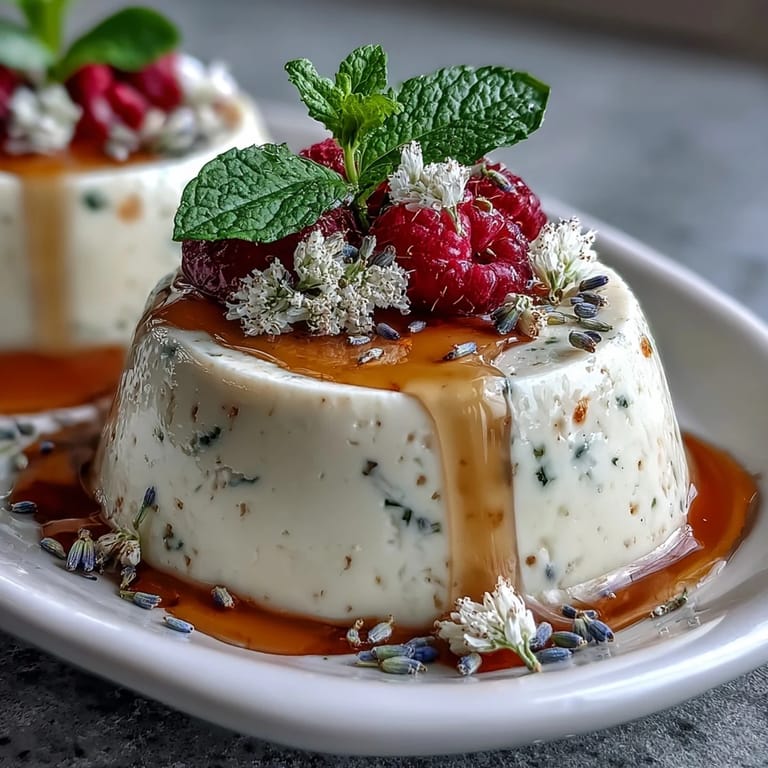
- Fresh berries: Optional, but their tartness pairs beautifully with creamy panna cotta; the more vibrant, the better.
- Edible flowers or additional lavender buds: Perfect for garnish, lending instant visual appeal and tying in the floral theme.
Tired of Takeout? 🥡
Get 10 meals you can make faster than delivery arrives. Seriously.
One email. No spam. Unsubscribe anytime.
Instructions
- Infuse the cream:
- Combine heavy cream, whole milk, and dried lavender buds in a small saucepan. Gently heat over medium until the mixture is steaming, then remove from heat, cover, and let the fragrance seep in for 10 minutes.
- Bloom the gelatin:
- Sprinkle powdered gelatin over cold water in a bowl and let it sit, watching it transform for five minutes. This step is simple but crucial for that coveted silkiness.
- Strain and flavor:
- Pour the cream mixture through a fine mesh sieve into a clean saucepan, then stir in honey and vanilla. Heat gently until honey melts and everything smells inviting—avoid boiling at all costs.
- Dissolve gelatin:
- Remove the pot from the stove, whisk in bloomed gelatin until every last grain disappears. The mixture should be glossy and smooth.
- Set and chill:
- Divide the mixture among six ramekins or glasses, let them cool, then cover and tuck them into the fridge for at least four hours. The wait is worth it—patience brings perfection.
- Garnish and serve:
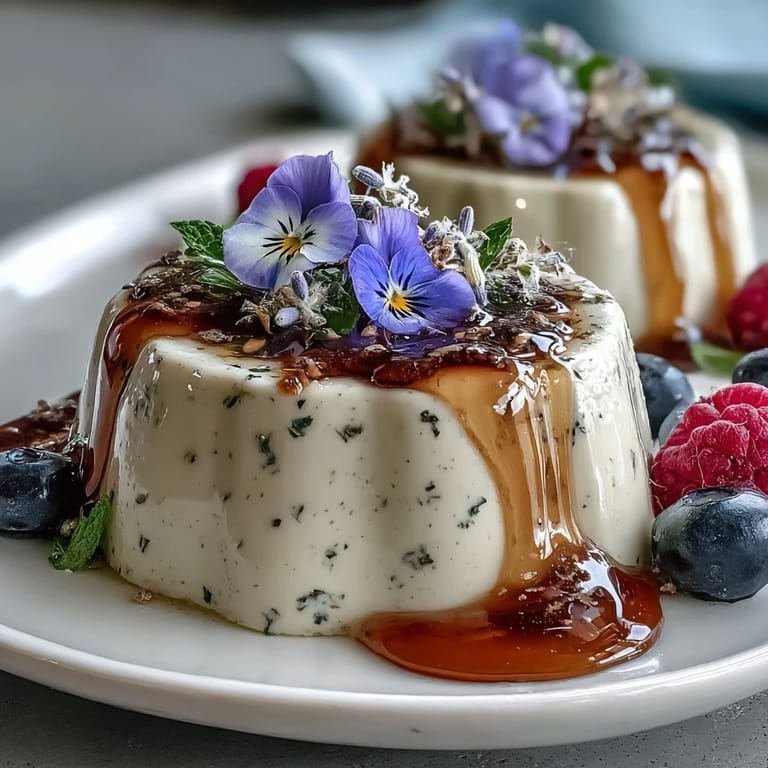
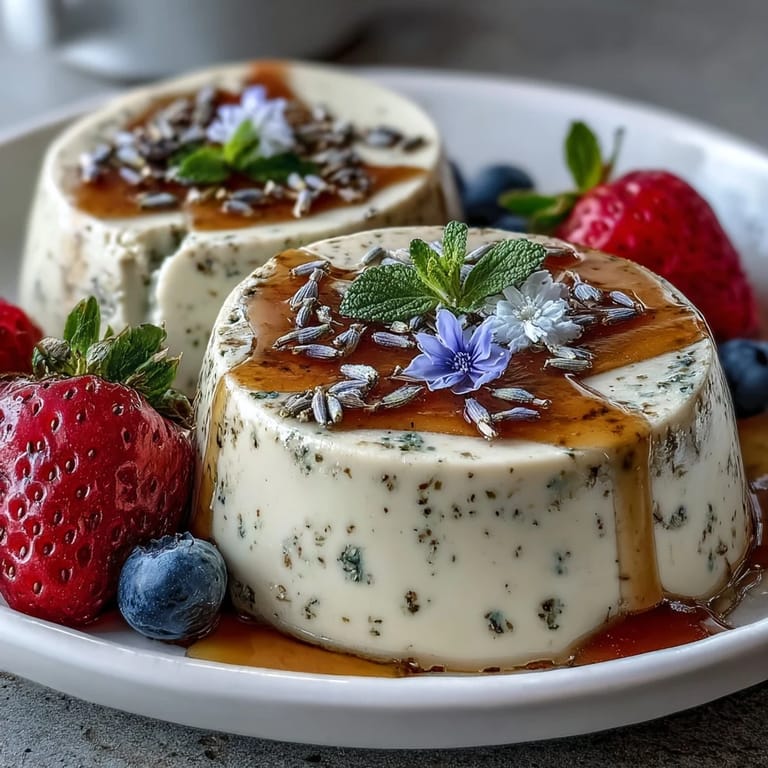
- Unmold gently or serve directly in glass, drizzle with honey, and top with berries or flowers. Every plate will feel like a miniature bouquet.
 Save
Save There was a dinner between friends where we set the table outside, watched the sun dip behind the fence, and served these panna cottas topped with edible flowers. The conversation lingered over the dessert, everyone savoring each spoonful, as if the quiet floral notes had slowed time. I realized then that food could be a gentle pause in the day. The little chill of the glasses matched the evening air, and in those moments, panna cotta became a tradition we promised to repeat. It has a knack for turning simple gatherings into lasting memories.
What to Serve Alongside
I found that pairing the panna cotta with lightly sweet sparkling wine brings out both the creaminess and subtle lavender notes. Sometimes, a crisp Moscato or even herbal tea makes a lovely companion, letting the flavors linger even longer. Fruit compotes—raspberry or blueberry—add color and tartness, brightening the dessert without overwhelming its gentle character. For spring brunches, I serve them alongside a platter of fresh berries and mint. Once, a friend remarked it tasted like a grown-up picnic treat.
How to Get Perfect Texture
The secret is patience and attention; never let the cream come to a boil or the texture can turn grainy. Steeping lavender just until fragrant, and stirring gelatin thoroughly, make a noticeable difference. Letting the panna cotta cool before chilling helps avoid condensation. Always check the set after four hours—sometimes your fridge works faster, and sometimes slower. If it wobbles but holds shape, you nailed it.
Making Room for Creativity
Once you master the base, customizing is pure joy—try orange blossom water or swap honey for maple syrup. Toppings can change with the seasons—roasted nuts for autumn, or peaches in summer. Sometimes, blending a bit of yogurt into the cream lightens things up. You can even make mini portions in espresso cups for parties. Creativity is half the fun of panna cotta.
- If the mixture looks too tight before pouring, add a splash more milk.
- Don't worry if you can't unmold perfectly—a drizzle of honey hides imperfections.
- Always double-check the garnish—edible flowers should never be confused with decorative ones.
 Save
Save I hope this panna cotta brings a little brightness to your kitchen—it's equal parts treat and invitation to pause. Feel free to share it, tweak it, and make your own memories with every silky bite.
Recipe FAQs
- → How strong is the lavender flavor?
The lavender flavor is subtle and floral. You can adjust steeping time to achieve your preferred intensity, but avoid over-steeping to prevent bitterness.
- → Can the dessert be made vegetarian?
Yes, substitute the gelatin with a vegetarian gelling agent and use plant-based dairy alternatives for a vegetarian version.
- → Which garnishes suit this dessert?
Fresh berries like raspberries or blueberries, edible flowers, or extra lavender buds add color and flavor to each serving.
- → How should it be served?
Unmold onto plates for a beautiful presentation, or serve directly in small glasses and drizzle with extra honey.
- → What type of wine pairs well?
A lightly sweet sparkling wine, such as floral Moscato, enhances the delicate honey and lavender notes beautifully.
- → Is this dessert gluten-free?
Yes, it's naturally gluten-free, though always check flavorings and garnishes for hidden gluten sources.