 Save
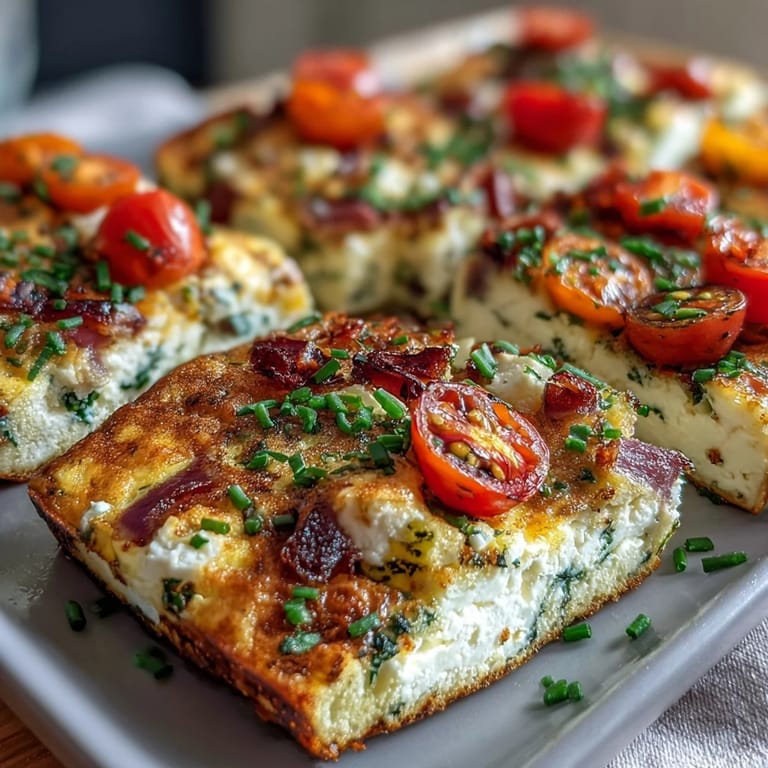
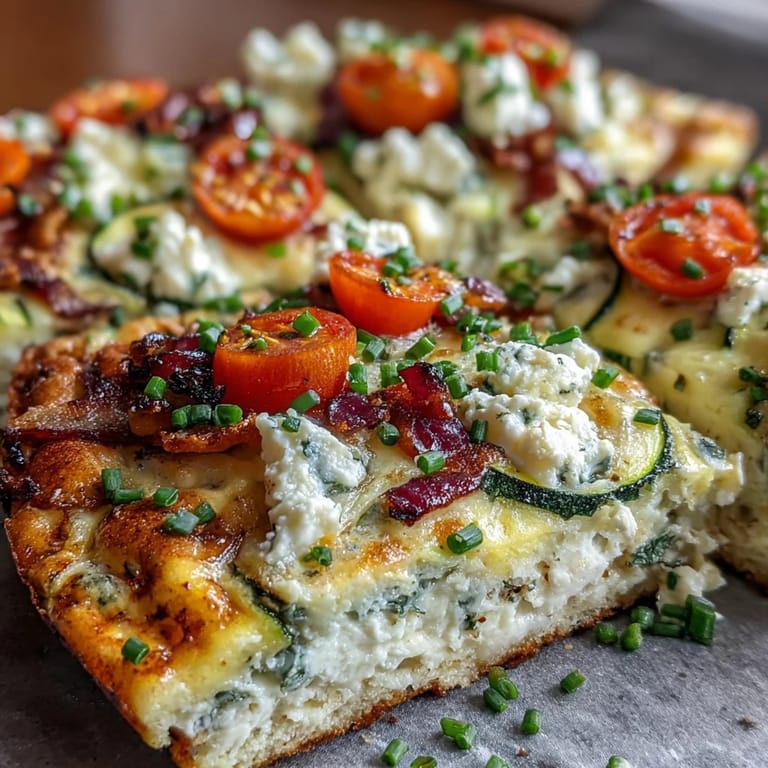
Save One Sunday morning, I stood in my kitchen staring at a full carton of eggs and a container of cottage cheese, wondering how to turn them into something that felt less like a scramble and more like an actual meal. That's when I discovered sheet pan eggs—a method so simple it almost felt like cheating, yet somehow delivers something restaurant-quality without the fuss. The cottage cheese acts like a silent partner, keeping everything impossibly fluffy while the vegetables sneak in their nutrition. Now I make a batch every other week and slice into it throughout the mornings, watching my breakfast transform from rushed to intentional.
I remember bringing this to a potluck where someone was convinced I'd spent hours layering things in a fancy casserole dish. When I told them it took less time than their commute, they looked genuinely disappointed—like I'd spoiled a good story. But then they tasted it, and suddenly everyone wanted slices, and I found myself explaining how cottage cheese actually belongs in egg dishes and isn't just for fruit salads anymore.
Ingredients
- Eggs: Ten large ones give you the structure and richness, though sizes vary so don't stress if yours are slightly smaller or larger—the cottage cheese fills in any texture gaps beautifully.
- Low-fat cottage cheese: This is your secret weapon for fluffiness without heaviness, and it dissolves into the egg base leaving tiny pockets of creamy richness throughout.
- Milk: Whether dairy or plant-based, it loosens the mixture just enough to bake evenly without becoming rubbery or dense.
- Cherry tomatoes: Halving them prevents excess moisture from making the center soggy, and their sweetness balances the savory herbs beautifully.
- Baby spinach: Roughly chop it so it releases moisture gradually rather than all at once, and don't worry about using frozen thawed spinach if that's what you have on hand.
- Red bell pepper: Dicing small ensures even texture and prevents tough pieces, plus the color makes the whole pan look intentional and bright.
- Zucchini: Diced small so it softens completely and contributes moisture without introducing hard edges or tough bits.
- Red onion: Fine chopping distributes flavor throughout rather than creating harsh pockets, and it adds a subtle sharpness that cuts through the richness.
- Salt, pepper, and dried oregano: These three create a Mediterranean vibe that makes cottage cheese taste elevated rather than plain, and the herbs prevent the eggs from tasting one-dimensional.
- Fresh chives or parsley: A finishing touch that transforms it from weekday breakfast to something you'd serve to guests without apology.
Tired of Takeout? 🥡
Get 10 meals you can make faster than delivery arrives. Seriously.
One email. No spam. Unsubscribe anytime.
Instructions
- Prep your pan and oven:
- Set your oven to 375°F and get a 13x9 inch rimmed baking sheet ready with nonstick spray or parchment—cold pans lead to uneven cooking and stuck edges.
- Blend eggs with cottage cheese:
- Whisk them together vigorously until the mixture turns slightly frothy and cottage cheese mostly dissolves into the eggs, which takes about a minute of actual whisking.
- Season the base:
- Stir in salt, pepper, and your dried herbs, tasting a tiny spoonful if you want to adjust the seasoning before vegetables go in.
- Fold in vegetables gently:
- Mix just until vegetables are distributed evenly throughout, being careful not to overmix or you'll bruise the delicate egg mixture and lose fluffiness.
- Pour and settle:
- Spread the mixture across the pan and gently tap it on the counter a few times to help it settle into an even layer without creating air pockets that cook at different rates.
- Bake until just set:
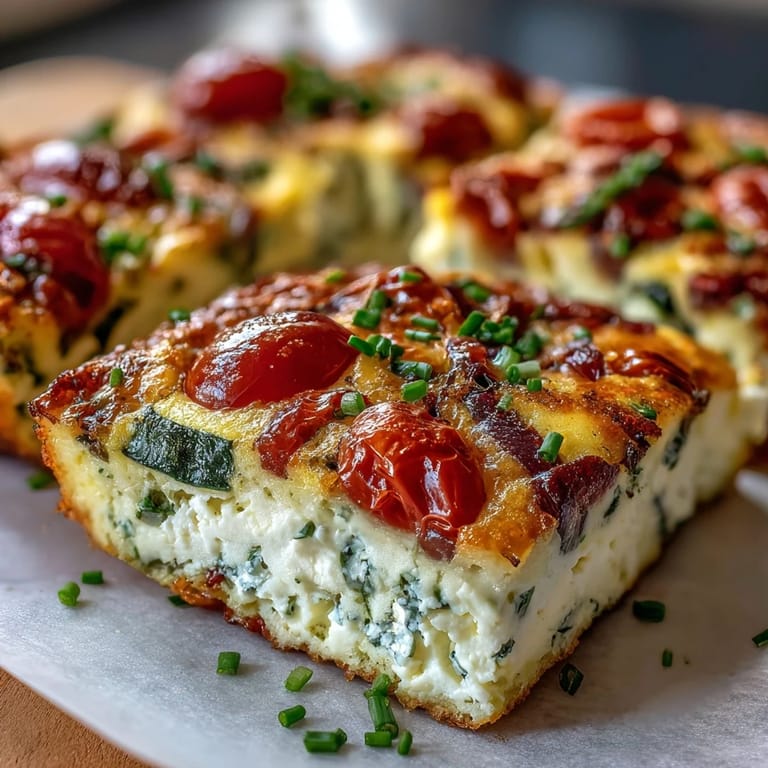
- At 22 to 25 minutes, you're looking for eggs that jiggle ever so slightly in the very center when you shake the pan gently—they continue cooking as they cool and will firm up perfectly. Golden edges are your visual cue that everything underneath is cooked through.
- Cool and portion:
- Five minutes out of the oven matters here because it gives the eggs time to set properly before you slice them into squares, preventing them from tearing apart or looking shredded.
 Save
Save There's something quietly satisfying about pulling this out of the oven, watching steam rise from the golden surface, and knowing you've just made six breakfasts in forty minutes total. It's the kind of efficiency that feels less like meal prep and more like a small act of kindness toward your future self.
Vegetable Swaps That Actually Work
This dish is far more flexible than it appears, and I've learned this through both happy accidents and deliberate experimentation. Mushrooms add an earthy depth that complements cottage cheese perfectly, broccoli brings a slight bitterness that prevents everything from tasting too soft, and asparagus offers a textural contrast that keeps things interesting. Frozen vegetables work just as well as fresh—they're already softer which means they integrate seamlessly—and diced cauliflower creates a lighter, airier crumb if you're going for something less dense. The key is respecting moisture content: juicy vegetables like tomatoes and zucchini should be limited, while watery vegetables like mushrooms or frozen spinach can be more generous because their moisture evaporates during baking rather than pooling.
Make-Ahead Magic and Storage
I've learned through trial and error that prepping everything the night before transforms this from an option into an inevitability. Dice your vegetables into a container, whisk your eggs with cottage cheese and milk in another, and keep them separate in the refrigerator—the next morning is literally five minutes of pouring and baking. Leftover slices keep perfectly for four days in an airtight container, and while microwaving works in a pinch, I've discovered that a gentle reheating in a 300°F oven for five minutes restores the fluffiness that microwaves flatten mercilessly.
Flavor Combinations Beyond the Basics
Once you understand the foundation, this becomes a canvas for experimentation, and I've spent a surprising amount of my mornings testing variations. A sprinkle of shredded cheddar before baking adds richness and prevents the top from browning too fast, fresh dill or tarragon instead of oregano creates a completely different personality, and a pinch of smoked paprika adds complexity without announcing itself too loudly. Sun-dried tomatoes soaked in a little water release concentrated flavor, caramelized onions require longer baking but taste luxurious, and a handful of fresh herbs mixed into the egg base before baking ensures flavor distribution rather than just garnish.
- Layer fresh herbs and cheese together—they protect each other during baking and create pockets of concentrated flavor.
- Always taste your seasoning mixture before adding vegetables, so you can adjust without hunting for salt afterward.
- Remember that herbs intensify as things cool, so slightly underseasoned hot tastes perfectly seasoned cool.
 Save
Save This recipe has become my answer to the question of how to eat well without thinking too hard about it, and I hope it becomes the same easy answer for you. It's proof that the best meals often come from simple ideas executed with attention rather than complexity.
Recipe FAQs
- → Can I freeze these baked egg squares?
Yes, these freeze exceptionally well. Let the squares cool completely, then wrap individually in parchment paper and store in a freezer-safe bag for up to 2 months. Thaw overnight in the refrigerator before reheating.
- → What vegetables work best in sheet pan eggs?
Firm vegetables that hold their shape during baking work wonderfully. Try diced bell peppers, zucchini, cherry tomatoes, spinach, mushrooms, broccoli florets, or asparagus. Avoid watery vegetables like cucumbers or excessive amounts of fresh tomatoes that could make the mixture too loose.
- → Why use cottage cheese instead of regular cheese?
Cottage cheese blends seamlessly into the egg mixture, adding creaminess and a significant protein boost—about 15 grams per serving. It also helps create an incredibly fluffy texture while keeping the squares moist without making them heavy or greasy.
- → Can I make these ahead for meal prep?
Absolutely. Once cooled, slice into squares and store in an airtight container in the refrigerator for up to 4 days. Reheat individual portions in the microwave for 30-60 seconds, or enjoy cold for a quick breakfast on the go.
- → What size baking sheet works best?
A rimmed 13x9 inch (33x23 cm) baking sheet creates the ideal thickness—about ¾ inch tall—for perfectly set squares. Using a larger pan will make thinner squares that may overcook, while a smaller pan creates thicker pieces that take longer to bake through.
- → How do I know when the eggs are fully cooked?
The eggs are done when the center feels set to the touch—no longer jiggly or liquid—and the edges are lightly golden. A knife inserted into the center should come out clean. If needed, tent with foil if the edges brown too quickly before the center sets.