 Save
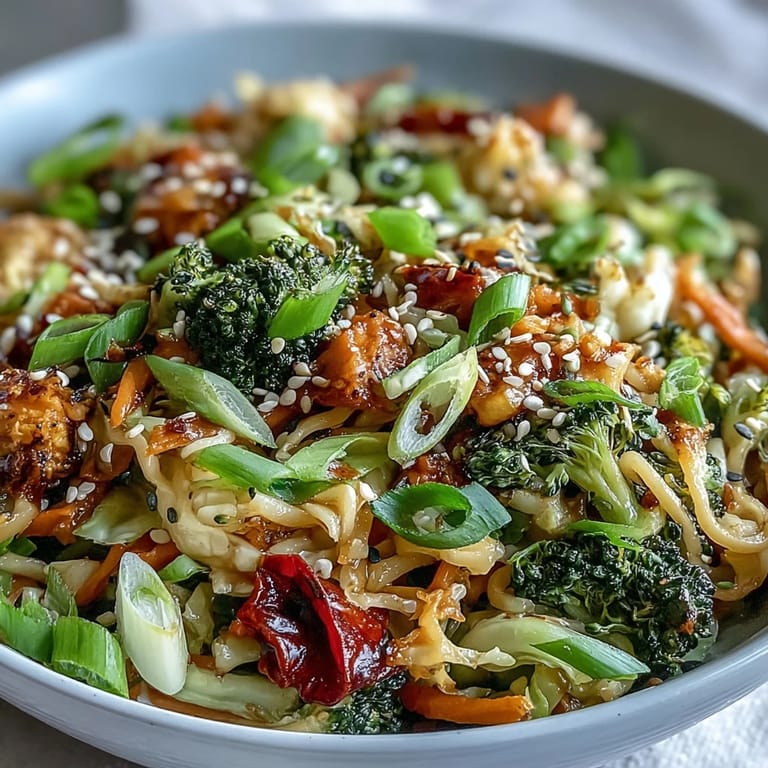
Save There's something magical about the sizzle of vegetables hitting hot oil on a gray winter afternoon, especially when you're trying to coax brightness into your kitchen. I'd been standing at the farmer's market, surrounded by root vegetables and curious about kimchi, when it clicked—why not marry the two? The warmth of caramelizing carrots and the punch of fermented kimchi became my answer to those long, colorless months.
My neighbor knocked on the door one evening, drawn in by the aroma of sesame oil and ginger wafting through our shared hallway. She stayed for dinner, and I watched her face as she tasted the kimchi mixed through the warm vegetables—that moment of surprise followed by genuine delight. She's made it three times since then, each time tweaking the vegetables based on what was on sale.
Ingredients
- Broccoli florets: Their sturdy texture holds up to high heat and adds a subtle bitterness that balances the kimchi's funk.
- Carrots and parsnip: Bias-cut slices cook evenly and create that satisfying bite, plus they develop a slight caramel sweetness from the heat.
- Sweet potato matchsticks: They soften faster than you'd think and add a creamy sweetness that tempers the kimchi's intensity.
- Cabbage: Shredded green cabbage wilts slightly but keeps its crunch, acting as a neutral backdrop for bolder flavors.
- Red bell pepper: Added near the end, it stays vibrant and crisp, giving fresh color and a gentle sweetness.
- Fresh ginger and garlic: Toast these in oil first for 30 seconds to wake them up and release their essential oils into the pan.
- Toasted sesame oil: Use the good stuff here—it's worth it, and a little goes a long way to make everything taste richer.
- Soy sauce or tamari: Choose tamari if gluten-free; it's the salty backbone that ties everything together.
- Rice vinegar: A splash of brightness that prevents the dish from feeling heavy or one-note.
- Maple syrup or honey: Just enough to round out the sauce and give the vegetables a subtle gloss.
- Kimchi: The star of the show—fermented, funky, and full of beneficial bacteria that survive the gentle toss at the end.
- Green onions and sesame seeds: These finishing touches add crunch and a final layer of nutty, fresh flavor.
Tired of Takeout? 🥡
Get 10 meals you can make faster than delivery arrives. Seriously.
One email. No spam. Unsubscribe anytime.
Instructions
- Get Everything Ready First:
- Cut your vegetables so they're all the same thickness and ready to go—this is where prep wins the game. Stir-frying moves fast, so you won't have time to hunt for your cutting board mid-cook.
- Heat Your Oil and Wake Up the Aromatics:
- Pour sesame oil into your wok or large skillet over medium-high heat until it shimmers. Add ginger and garlic, stirring constantly for about 30 seconds until the smell fills your kitchen—that's your signal they're ready.
- Build the Base of Hard Vegetables:
- Toss in carrots, parsnip, sweet potato, and broccoli, stirring continuously for 4 to 5 minutes. You want them to start softening at the edges while keeping some resistance when you bite down.
- Add the Softer Vegetables:
- Stir in cabbage and bell pepper, cooking for another 3 to 4 minutes until everything is crisp-tender and the pan smells absolutely incredible. The cabbage will wilt slightly, and the pepper will still have some firmness.
- Create Your Sauce and Bring It Together:
- While the vegetables finish, whisk soy sauce, rice vinegar, and maple syrup in a small bowl. Pour it over everything in the pan and toss gently for about 30 seconds until the vegetables glisten.
- Add the Kimchi Without Killing the Probiotics:
- Turn off the heat and fold in your chopped kimchi with a gentle hand, mixing just enough so it's evenly distributed. The residual heat will warm it without cooking off all those good bacteria you're after.
- Finish and Serve:
- Plate it up and scatter green onions and sesame seeds on top while everything's still steaming. Eat it immediately, or it's just as good the next day.
 Save
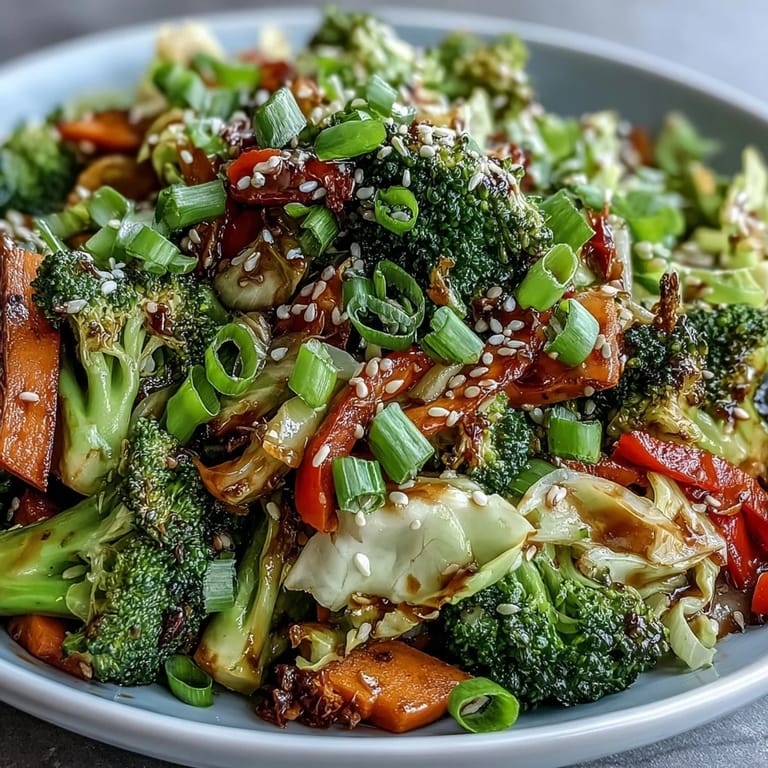
Save One quiet Tuesday, I made this stir-fry for my partner, who'd been fighting off a cold and hadn't eaten much in days. Watching him slowly come back to life with each forkful, tasting the warmth and spice, reminded me that food isn't always about feeding your body—sometimes it's about feeding your spirit back to itself.
Why This Works in Winter
Winter vegetables are dense and grounding, which feels right when it's cold outside and you want something substantive. Root vegetables like parsnip and sweet potato take on a subtle sweetness when they caramelize, and the kimchi's fermented tang cuts through that richness beautifully. There's something about eating warm, cooked vegetables in winter that feels like you're doing something kind for yourself.
Playing With Your Vegetables
The beauty of this stir-fry is that it adapts to whatever you have on hand or what looked good at the market that week. Turnips, rutabaga, and kale all work beautifully here, and I've even added thin slices of beets for earthiness and color. The only rule is to cut everything roughly the same size so it cooks evenly and nothing turns mushy while something else stays raw.
Making It Your Own
Some people serve this over rice or noodles to make it heartier, while others eat it straight as a side dish. I've added a crumble of tofu, a drizzle of chili oil, and even a fried egg on top—there's no wrong way to finish this. The kimchi is bold enough to carry any additions you want to bring to the table.
- If you want more protein, a handful of cashews or peanuts adds crunch and richness without overwhelming the vegetables.
- A squeeze of fresh lime juice right before serving brightens everything and adds a subtle citrus note that feels fresh.
- Make a double batch and eat the leftovers cold the next day—it tastes completely different and somehow even more interesting.
 Save
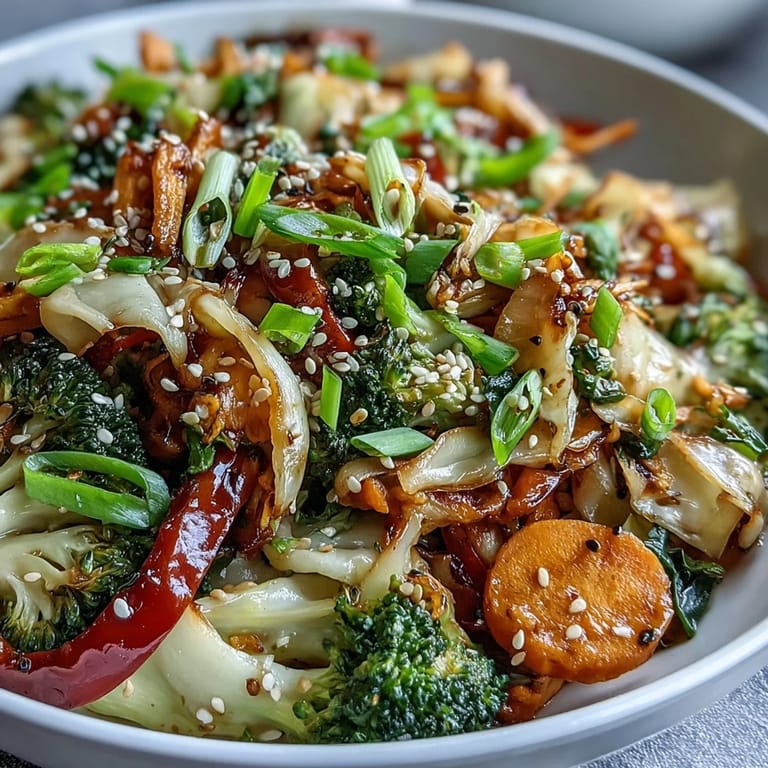
Save This recipe taught me that fermented foods aren't just trendy—they're a genuine gift to your gut and your palate. It's become the stir-fry I make when I want something warm, alive, and a little bit unpredictable.
Recipe FAQs
- → Can I use different winter vegetables?
Absolutely. Turnips, rutabaga, kale, or butternut squash work beautifully. Aim for similar cutting sizes to ensure even cooking times.
- → Is the kimchi added at the end to preserve probiotics?
Yes. High heat can destroy beneficial bacteria in fermented foods. Adding kimchi after removing the pan from heat preserves both probiotics and its vibrant flavor.
- → What can I substitute for sesame oil?
Try olive oil, avocado oil, or neutral vegetable oil. For toasted sesame flavor, add a splash of toasted sesame seed oil at the end instead of cooking with it.
- → How spicy is this dish?
Kimchi varies in heat level. Start with less and adjust to taste. For milder versions, choose fresh kimchi rather than aged, which tends to be spicier.
- → Can I make this ahead?
Vegetables can be prepped up to a day in advance. Cook the stir-fry just before serving for best texture. Reheat gently if needed, adding fresh kimchi before serving.
- → Is this gluten-free?
Use tamari instead of soy sauce and check your kimchi label—some brands contain wheat or barley. The dish is naturally dairy-free and vegan.