 Save
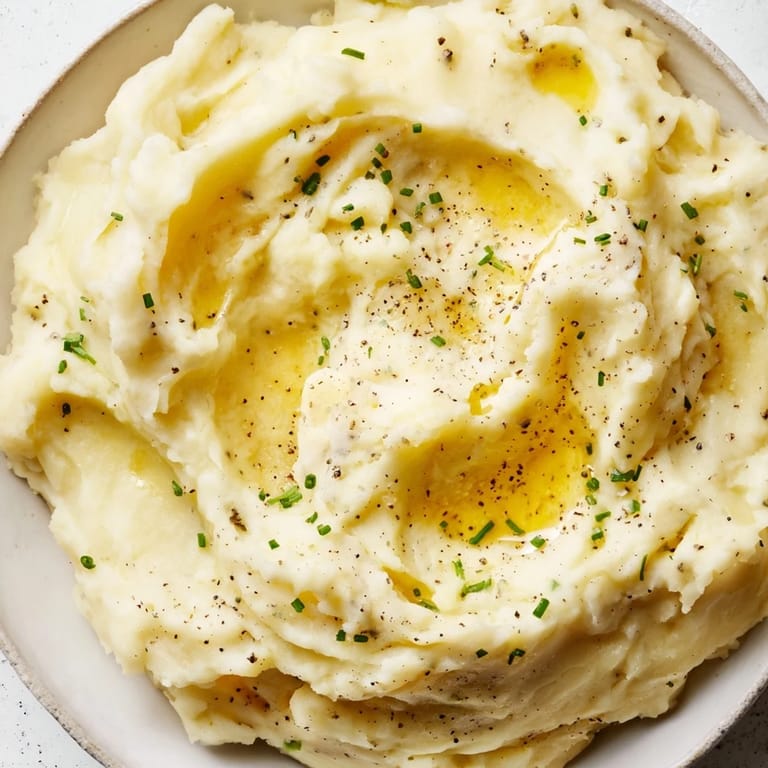
Save My college roommate thought mashed potatoes came from a box until I made a batch from scratch during our first dinner party together. She watched in disbelief as I dropped Yukon Gold chunks into boiling water, then stood mesmerized by the transformation that happened with nothing more than butter, warm milk, and some enthusiastic mashing. That night we ate standing up in our tiny kitchen, scraping the serving bowl clean while planning all the holidays we would someday host.
Last Thanksgiving my aunt finally confessed she had been buying store made mashed potatoes for years because her homemade attempts always turned out lumpy and gluey. I walked her through the process step by step, watching her face light up when she tasted the results. Now she texts me photos of her perfectly fluffy creations every Sunday dinner.
Ingredients
- Yukon Gold or Russet potatoes: These varieties naturally mash fluffy without becoming gummy, and their skins are thin enough that peeling feels like a quick chore rather than an ordeal
- Unsalted butter at room temperature: Cold butter creates pockets of dairy instead of melting evenly into every spoonful
- Warm whole milk: Cold milk shocks hot potatoes and makes them seize up, but warm milk incorporates like magic
- Salt and freshly ground black pepper: Potatoes need more salt than you think, so keep tasting until the flavor pops
- Heavy cream or sour cream: This optional addition transforms good mashed potatoes into memorable ones
- Fresh chives or parsley: A scattering of herbs makes even humble potatoes look intentional and cared for
Tired of Takeout? 🥡
Get 10 meals you can make faster than delivery arrives. Seriously.
One email. No spam. Unsubscribe anytime.
Instructions
- Boil the potatoes:
- Cover peeled chunks with cold, salted water, bring to a boil, then simmer until tender throughout, about 15 to 20 minutes
- Steam dry briefly:
- Drain thoroughly and let the potatoes sit in the hot pot for a few minutes so excess moisture evaporates
- Add the dairy:
- Drop in room temperature butter first so it melts into the hot potatoes, then pour in warm milk gradually
- Mash until smooth:
- Work with a potato masher or ricer until the texture is uniformly creamy with no persistent lumps
- Season and serve:
- Taste and adjust salt and pepper, transfer to a serving bowl, and garnish with fresh herbs before bringing to the table
 Save
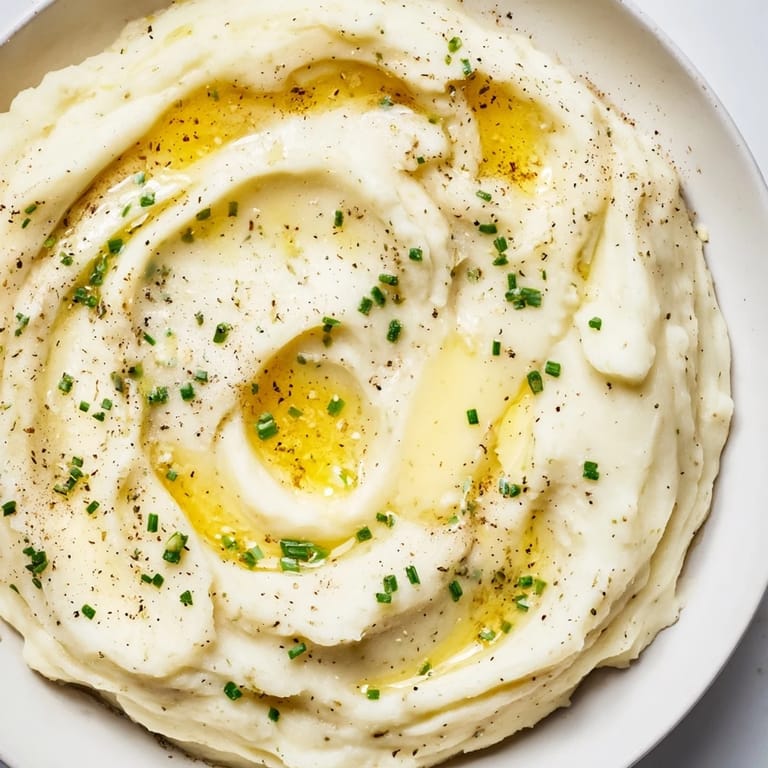
Save These potatoes have become my go to comfort food on rainy days, when the only thing that sounds right is something warm and familiar on a spoon. There is something almost meditative about the rhythmic motion of mashing, watching the chunks transform into clouds of creamy goodness that smell like home.
Choosing Your Potato
Yukon Golds naturally yield creamier results because their medium starch content balances fluffiness with moisture. Russets make the lightest, airiest mashed potatoes but can turn gummy if overworked. Red potatoes maintain a slightly chunky, rustic texture that some people prefer for homestyle mashed potatoes.
Warming The Dairy
Cold milk and butter lower the temperature of your potatoes too quickly, which prevents proper incorporation and creates a greasy mouthfeel. Warm both together in a small saucepan or microwave, but avoid bringing them to a boil. The dairy should feel comfortably hot to the touch but not scalding.
Making It Ahead
Mashed potatoes reheat beautifully with a splash of extra milk and gentle warmth. Store them in the refrigerator for up to two days, then reheat over low heat while stirring occasionally. A pat of butter on top prevents a skin from forming during storage.
- Reheat in the microwave at half power, stirring every minute
- Add a splash of cream before reheating for fresher taste
- Transfer to a slow cooker on low for serving at parties
 Save
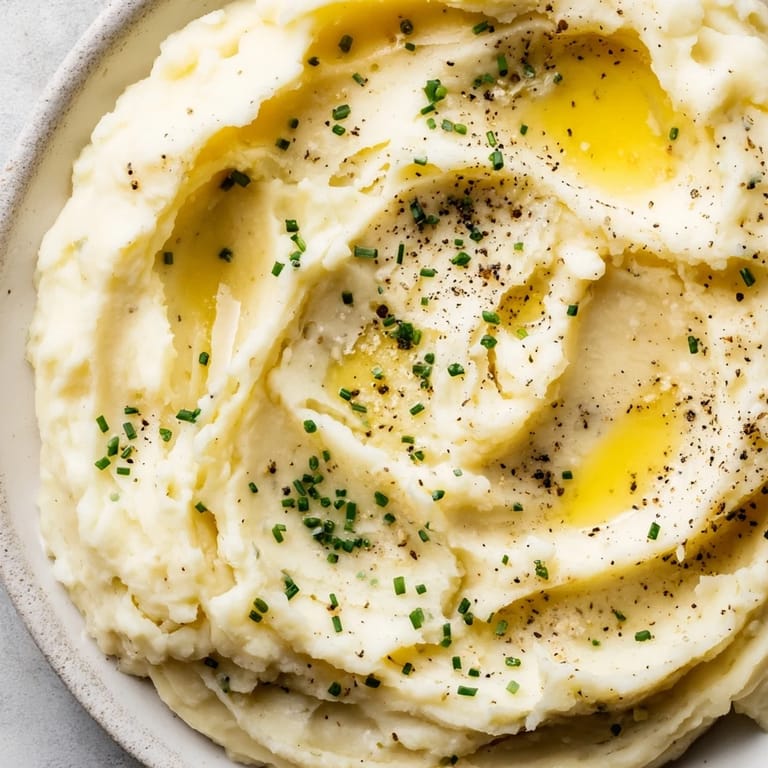
Save Some dishes are technically perfect but emotionally flat, while others like these mashed potatoes carry generations of comfort in every spoonful.
Recipe FAQs
- → What type of potatoes work best for mashing?
Yukon Gold potatoes are ideal for mashed potatoes because they have a naturally buttery flavor and creamy texture. Russet potatoes also work well and produce fluffier results due to their high starch content. Avoid waxy potatoes like red potatoes, which can become gluey when mashed.
- → How do I prevent lumpy mashed potatoes?
Start by cutting potatoes into evenly sized chunks so they cook uniformly. Cook until completely tender when pierced with a fork. Using a potato ricer ensures the smoothest texture, but a good potato masher works too. Always warm your milk before adding it to help it incorporate smoothly.
- → Can I make these ahead of time?
Yes, prepare mashed potatoes up to 2 hours in advance. Keep them warm in a heatproof bowl over a pot of simmering water, stirring occasionally. You can also refrigerate them overnight and reheat in the microwave or oven, adding a splash of milk to restore creaminess.
- → What can I use instead of dairy?
Substitute whole milk with unsweetened almond, soy, or oat milk. Replace butter with vegan butter or olive oil for a dairy-free version. The texture will remain creamy, though the flavor profile will change slightly.
- → How do I add more flavor to mashed potatoes?
Mix in roasted garlic for depth, grated Parmesan cheese for savory notes, or sautéed onions for sweetness. Fresh herbs like chives, parsley, or thyme add brightness. A splash of truffle oil or a spoonful of sour cream elevates the dish for special occasions.